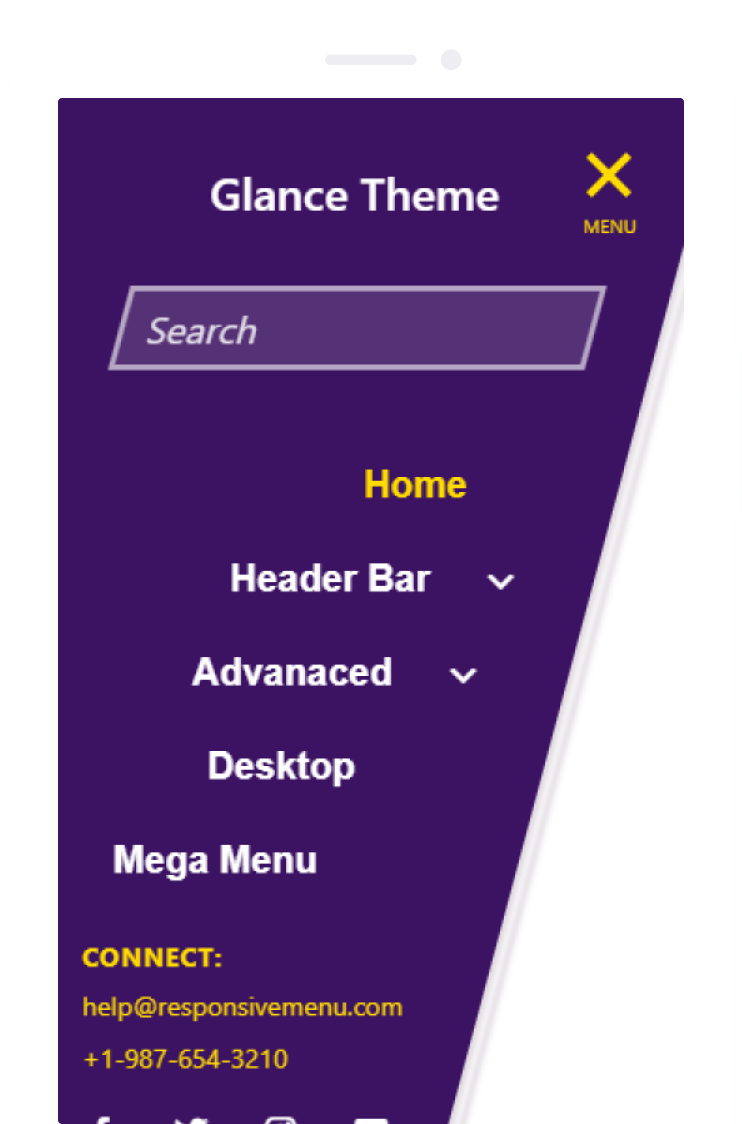
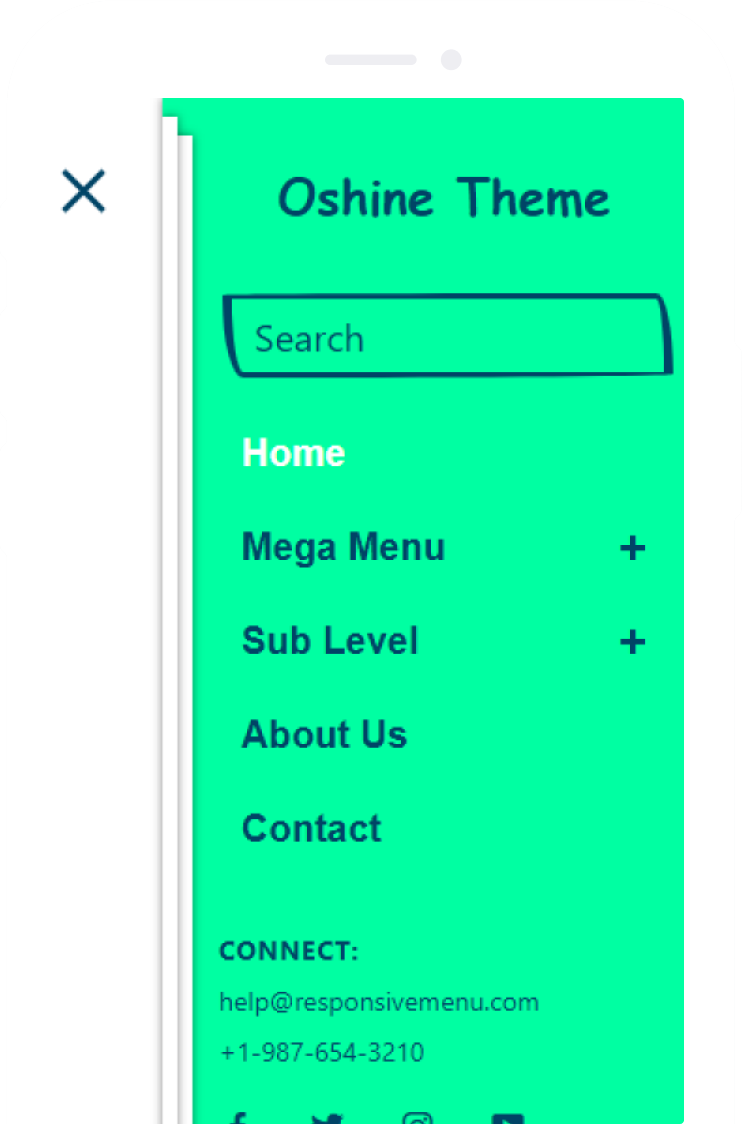
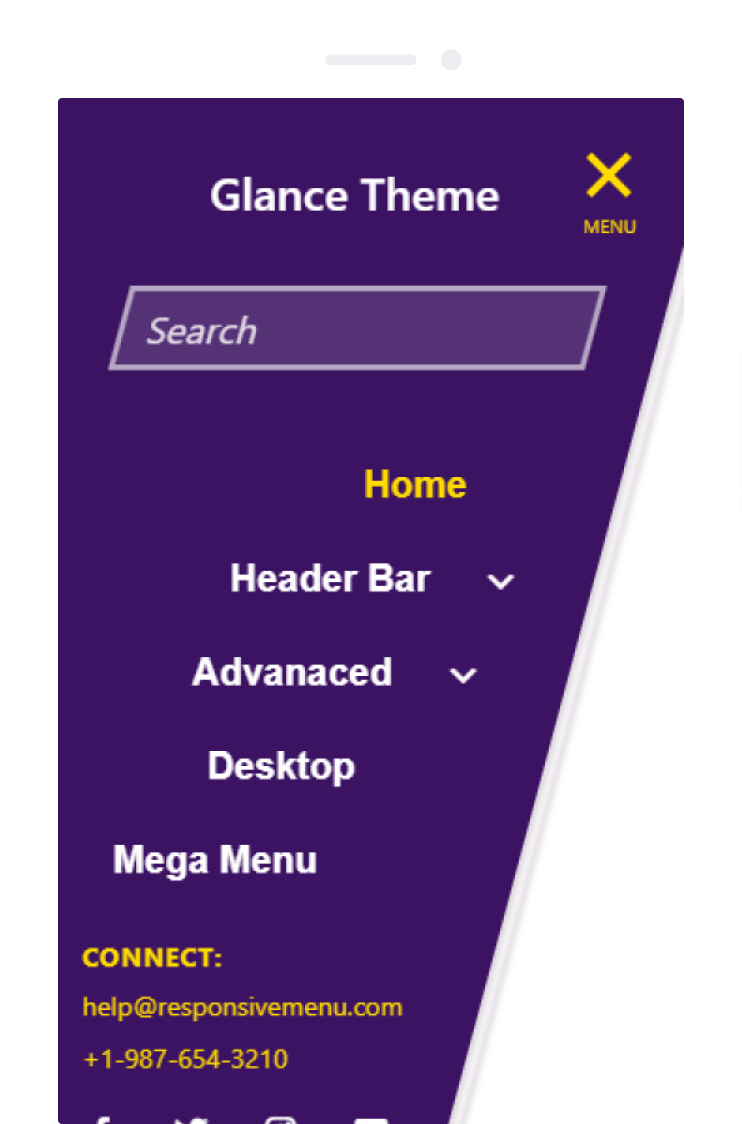
The Most Advanced Responsive Menu plugin that turns your regular WordPress menu into a mobile-ready, fully W3C Compliant Design within seconds. No coding required.
Tired of clunky mobile menus? Responsive Menu transforms your ordinary WordPress menu into an extraordinary mobile experience. Imagine the power of custom fonts, eye-catching animations, and complete control over your header. With Responsive Menu, you can do all this and more – without touching a single line of code.
Responsive Menu puts the power of customization in your hands. With our intuitive drag-and-drop builder, you can effortlessly create unique and stunning mobile menus without any coding expertise. shemale mistress turkey
Experiment with different layouts, colors, fonts, and icons to match your brand perfectly.
Adjust every element to your liking, from menu item spacing to button animations. To understand this relationship, we have to look
A stunning mobile menu is essential for business success. Responsive Menu ensures a smooth, user-friendly experience that keeps visitors engaged and drives conversions. Stand out from the competition with a mobile-optimized menu that leaves a lasting impression. The "T" in the Umbrella: Identity vs
Professional Look: Create a polished and modern website.
Improved User Experience: Keep visitors engaged and satisfied.
Increased Conversions: Guide visitors effortlessly to what they want.
Save Time and Money: No need for coding or design expertise.
To understand this relationship, we have to look at how these communities intersect, the unique challenges trans individuals face, and the cultural shifts they continue to lead. The Historical Anchor: A Shared Fight
These disparities sometimes lead to friction within the culture, as trans activists call for the "LGB" portions of the community to use their relative social capital to protect the most vulnerable members of the "T." The Future of the Community
This shared history created a foundation of solidarity. Transgender people provided the "radical" spark that demanded more than just tolerance; they demanded the right to exist authentically in public spaces. The "T" in the Umbrella: Identity vs. Orientation
Transgender women of color experience disproportionately high rates of violence.
Transgender individuals have been the primary architects of much of the language and aesthetics used in LGBTQ+ culture today.
Within LGBTQ+ culture, this distinction is vital. A transgender person can be gay, straight, bisexual, or asexual. By including the transgender community, the LGBTQ+ movement acknowledges that liberation requires dismantling both "heteronormativity" (the assumption that everyone is straight) and "cisnormativity" (the assumption that everyone identifies with the sex they were assigned at birth). Cultural Contributions and Language
Trans people face higher rates of workplace discrimination and housing instability compared to cisgender gay and lesbian individuals.
From the Wachowskis in film to SOPHIE in music, trans creators have pushed the boundaries of "queer art," moving away from tragic tropes toward "trans joy" and futurism. Challenges and Divergent Paths
The transgender community and the broader LGBTQ+ culture are bound by a shared history of resistance, a common fight for civil rights, and a vibrant tapestry of shared spaces. While "LGBTQ+" serves as an umbrella term, the "T" represents a distinct journey of gender identity that has both anchored and revolutionized the movement.
To understand this relationship, we have to look at how these communities intersect, the unique challenges trans individuals face, and the cultural shifts they continue to lead. The Historical Anchor: A Shared Fight
These disparities sometimes lead to friction within the culture, as trans activists call for the "LGB" portions of the community to use their relative social capital to protect the most vulnerable members of the "T." The Future of the Community
This shared history created a foundation of solidarity. Transgender people provided the "radical" spark that demanded more than just tolerance; they demanded the right to exist authentically in public spaces. The "T" in the Umbrella: Identity vs. Orientation
Transgender women of color experience disproportionately high rates of violence.
Transgender individuals have been the primary architects of much of the language and aesthetics used in LGBTQ+ culture today.
Within LGBTQ+ culture, this distinction is vital. A transgender person can be gay, straight, bisexual, or asexual. By including the transgender community, the LGBTQ+ movement acknowledges that liberation requires dismantling both "heteronormativity" (the assumption that everyone is straight) and "cisnormativity" (the assumption that everyone identifies with the sex they were assigned at birth). Cultural Contributions and Language
Trans people face higher rates of workplace discrimination and housing instability compared to cisgender gay and lesbian individuals.
From the Wachowskis in film to SOPHIE in music, trans creators have pushed the boundaries of "queer art," moving away from tragic tropes toward "trans joy" and futurism. Challenges and Divergent Paths
The transgender community and the broader LGBTQ+ culture are bound by a shared history of resistance, a common fight for civil rights, and a vibrant tapestry of shared spaces. While "LGBTQ+" serves as an umbrella term, the "T" represents a distinct journey of gender identity that has both anchored and revolutionized the movement.

Internet Explorer 11.0
Chrome 26
Wordpress 5.9
Firefox 90
Opera 60
PHP 5.4+
Create responsive navigation menus with custom icons and animations in just a few clicks.