KTag ECU remapping tool - Our rating 10/10
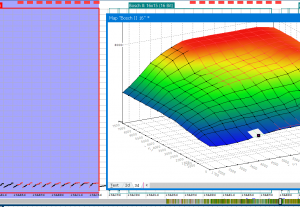
The KTag is an on the bench programming tool that gives the tuner complete access to the ECU. The KTag is one of the most user-friendly bench tuning tools that can be used to read and write tuning files on the bench.
- Bench flashing tool that requires ECU removal
- ECU file reading and writing
- Complete access to the ECU
- EEPROM and micro Reading/Writing
- ECU data cloning
Why we recommend the KTag ECU Remapping tool- Easy to use bench programming tool that can read microprocessor, EEPROM, and flash memory data from the ECU. The KTag is a reliable and professional tool that can accommodate a wide range of vehicles. Combine the KessV2 and the KTag for the ultimate OBD and bench flashing tool combination. ngintip tante mandi hari pertama 60102 min 39link39 hot
Why we like it – The Ktag is an easy to use bench programming tool that can read and write ECU tuning files from most 8,16- and 32-bit microprocessors. The KTag has online manuals that provide step by step instructions that the tuner can follow. The way we consume and interact with entertainment
Price - The KTag starts from 1 500 Euro and goes up to 4 500 Euro. The price of chip tuning tools depends on the protocols and if it is a master or slave tool. Both pricing aspects are discussed on the page below In the vast realm of lifestyle and entertainment,
Supported vehicles - Click here to download the full vehicle list of the KessV2
Services that can be offered with the KTag - With the KTag chip tuning tool you can read and write tuning files to the ECU directly. Bench programming tools are mostly used when OBD tuning tools cannot read or write tuning files to the vehicles. With that KTag you can offer services such as performance tuning, custom tuning, DSG tuning, and DTC deletes. For more information on the service you can offer please visit our service page.
Chip Tuning File - Once you have a KTag you will need a chip tuning files to write to the car. Tuned2Race can supply you with a wide range of chip tuning files for all the services you plan to offer. For more information on chip tuning files, please visit our chip tuning file page
KTag Overview
The KTag chip tuning tool is a bench flashing tool that can read the microprocessor, EEPROM, and flash memory data from the ECU
Hari Pertama 60102 Min 39link39 Hot — Ngintip Tante Mandi
The way we consume and interact with entertainment content can have a significant impact on our society and culture. The proliferation of social media and online platforms has created new challenges and opportunities for content creators. As we navigate the complexities of modern entertainment, it's crucial to prioritize respect, empathy, and understanding.
In the vast realm of lifestyle and entertainment, there's a peculiar keyword that has garnered attention: "ngintip tante mandi hari pertama 60102 min 39link39." For those unfamiliar with the term, "ngintip" roughly translates to "peeping" or "sneaking a peek," while "tante mandi" means "aunt bathing." This phrase, when taken literally, implies a rather invasive and private act. However, in the context of entertainment and popular culture, it's essential to explore the possible meanings, implications, and related topics.
Human curiosity is a powerful driving force behind many aspects of entertainment. People are naturally drawn to things that are unusual, forbidden, or intriguing. The idea of "ngintip tante mandi" might tap into this curiosity, sparking interest and attention. However, it's essential to recognize that this curiosity should not translate into real-life actions that invade others' privacy or cause harm.
The concept of "ngintip tante mandi" might be perceived as a humorous or lighthearted take on a typically taboo subject. Nevertheless, it's vital to approach this topic with sensitivity and respect for individuals' privacy. In the entertainment industry, productions often push boundaries to create engaging content, but they must also consider the potential impact on their audience, especially younger viewers.
In today's digital age, the lines between private and public spaces are increasingly blurred. The rise of social media, reality TV shows, and online streaming platforms has created a culture where people's personal lives are often shared with the world. However, it's crucial to remember that certain aspects of life, such as bathing or using the restroom, are universally considered private.


Our promise to you
Custom ECU Tuning solutions
We will develop and adjust our software until you are 100% satisfied with our service.
Reliable service
We strive to provide motoring enthusiasts with performance solutions that don't exceed the manufactures safety limits.
Money back guarantee
If our service doesn't live up to your expectations we will happily refund you.
The way we consume and interact with entertainment content can have a significant impact on our society and culture. The proliferation of social media and online platforms has created new challenges and opportunities for content creators. As we navigate the complexities of modern entertainment, it's crucial to prioritize respect, empathy, and understanding.
In the vast realm of lifestyle and entertainment, there's a peculiar keyword that has garnered attention: "ngintip tante mandi hari pertama 60102 min 39link39." For those unfamiliar with the term, "ngintip" roughly translates to "peeping" or "sneaking a peek," while "tante mandi" means "aunt bathing." This phrase, when taken literally, implies a rather invasive and private act. However, in the context of entertainment and popular culture, it's essential to explore the possible meanings, implications, and related topics.
Human curiosity is a powerful driving force behind many aspects of entertainment. People are naturally drawn to things that are unusual, forbidden, or intriguing. The idea of "ngintip tante mandi" might tap into this curiosity, sparking interest and attention. However, it's essential to recognize that this curiosity should not translate into real-life actions that invade others' privacy or cause harm.
The concept of "ngintip tante mandi" might be perceived as a humorous or lighthearted take on a typically taboo subject. Nevertheless, it's vital to approach this topic with sensitivity and respect for individuals' privacy. In the entertainment industry, productions often push boundaries to create engaging content, but they must also consider the potential impact on their audience, especially younger viewers.
In today's digital age, the lines between private and public spaces are increasingly blurred. The rise of social media, reality TV shows, and online streaming platforms has created a culture where people's personal lives are often shared with the world. However, it's crucial to remember that certain aspects of life, such as bathing or using the restroom, are universally considered private.