The Streaming Revolution and the Death of the "Watercooler Moment"
Entertainment Content and Popular Media: The Digital Pulse of Modern Culture
From the rise of short-form video to the "peak TV" era of streaming, here is an exploration of how entertainment content and popular media are evolving and why they matter more than ever. The Shift from Passive Consumption to Active Participation
The transition from cable television to services like Netflix, Disney+, and HBO Max has fundamentally changed our viewing habits.
Shows like Squid Game (South Korea) or Money Heist (Spain) have proven that language is no longer a barrier to becoming a global phenomenon. Entertainment content is increasingly reflecting a multi-faceted world, allowing audiences to see themselves represented in stories that were previously gatekept by traditional studios. Transmedia Storytelling: Worlds Beyond the Screen
This creates an immersive ecosystem where fans can "live" within their favorite stories. Franchises like Marvel, Star Wars, and The Last of Us leverage this to maintain engagement year-round, turning casual viewers into dedicated lifelong fans. The Future: AI, VR, and the Metaverse
In the modern era, the lines between our physical lives and our digital experiences have blurred into a single, continuous stream. At the heart of this convergence is , a powerhouse industry that does far more than just "distract" us. It shapes our language, dictates our trends, and provides the cultural glue that connects people across continents.
For decades, popular media was a one-way street. You sat in a theater, watched a broadcast, or read a magazine. Today, the landscape is defined by .
We no longer wait a week for a new episode. We consume entire seasons in a weekend.
Algorithms allow platforms to serve highly specific content to niche audiences, ensuring that there is "something for everyone."
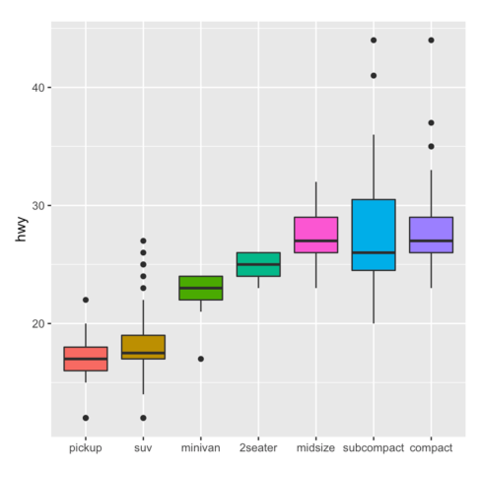
geom
ggplot2 builds charts through layers using
geom_ functions. Here is a list of the different
available geoms. Click one to see an example using it.
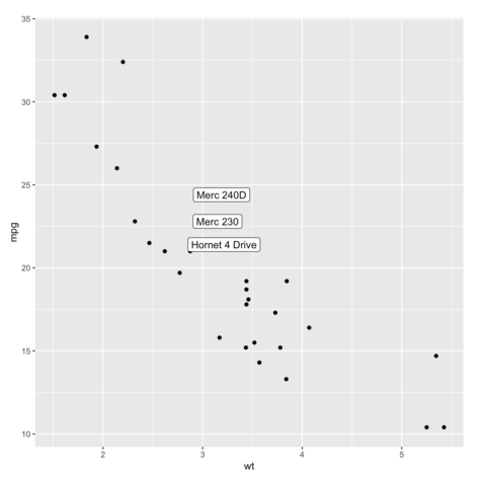
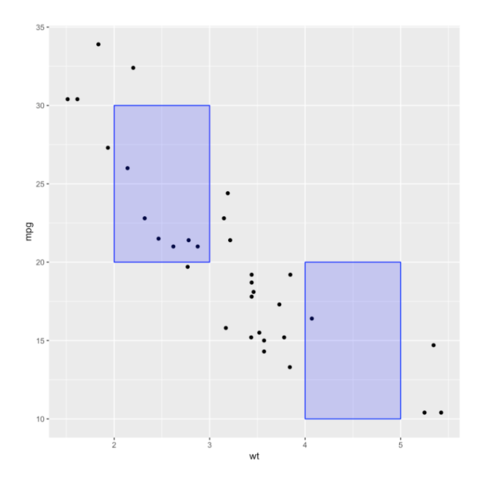
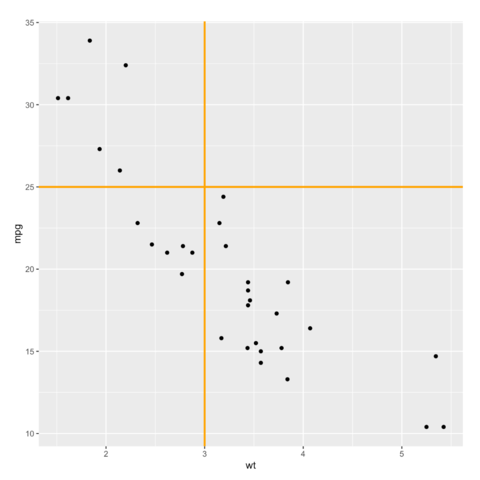
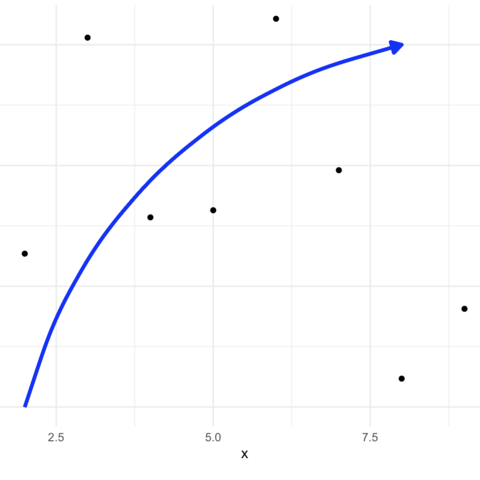
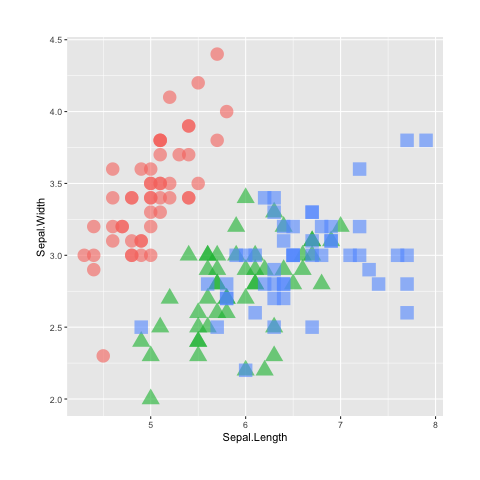
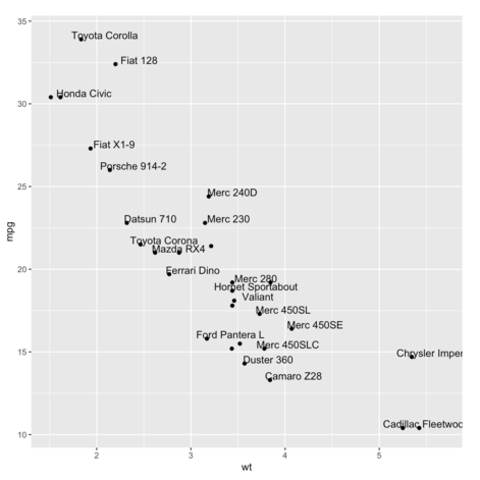
Annotation is a
key step
in data visualization. It allows to highlight the main message of the
chart, turning a messy figure in an insightful medium.
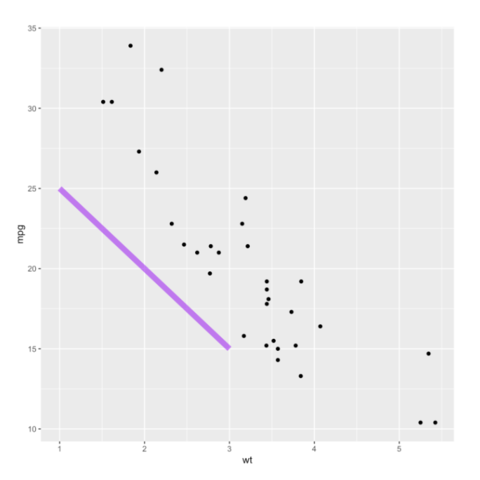
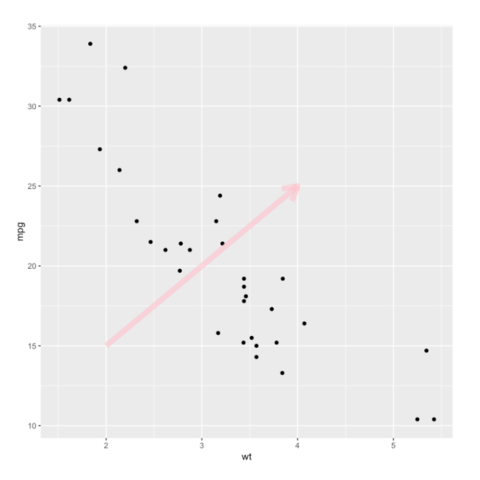
ggplot2 offers many function for this purpose, allowing
to add all sorts of text and shapes.
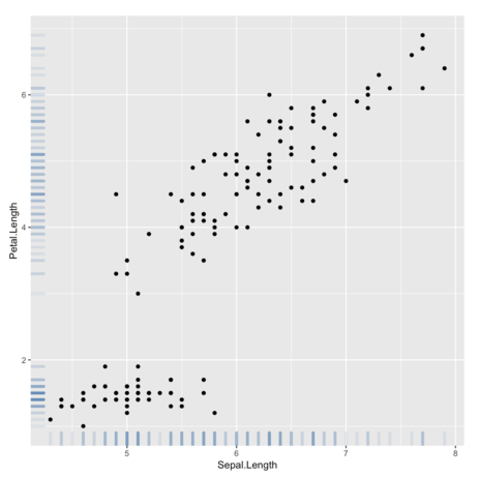
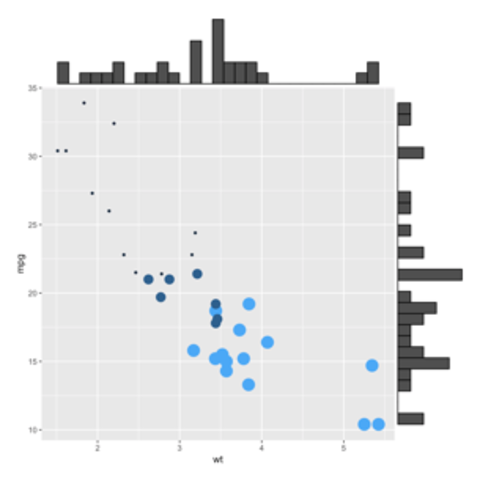
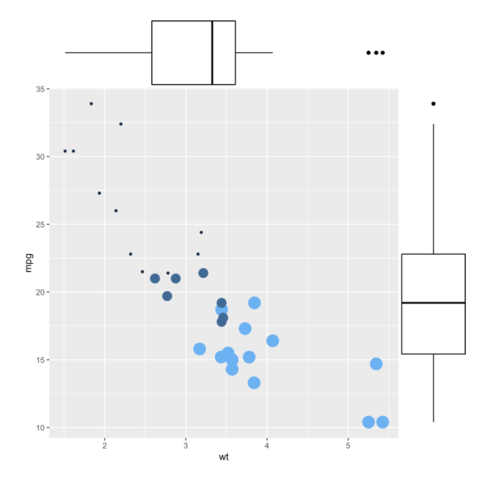
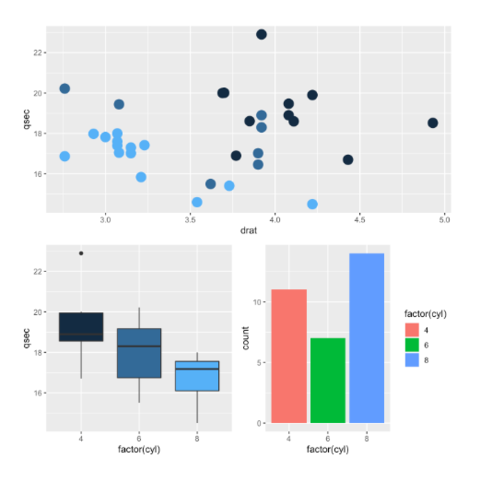
Marginal plots are not natively supported by ggplot2, but
their realisation is straightforward thanks to the
ggExtra library as illustrated in
graph #277.
ggplot2 chart appearance
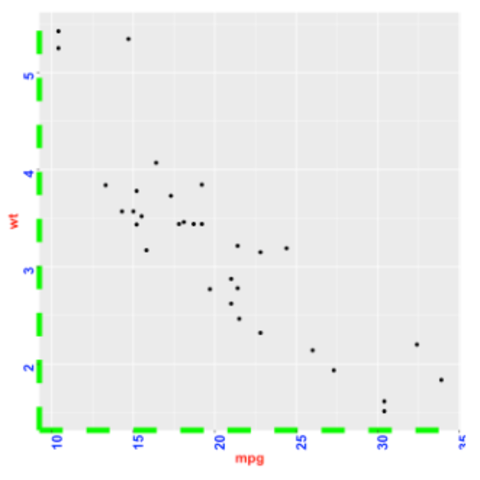
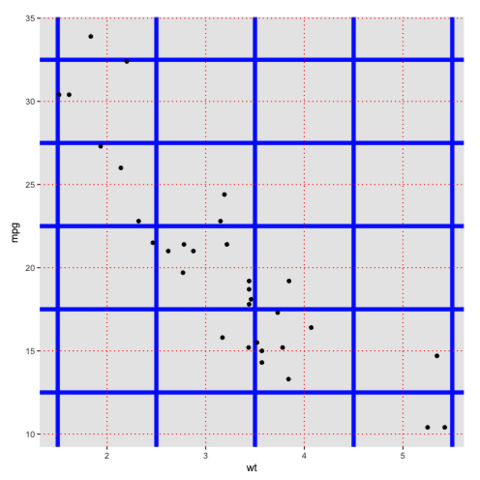
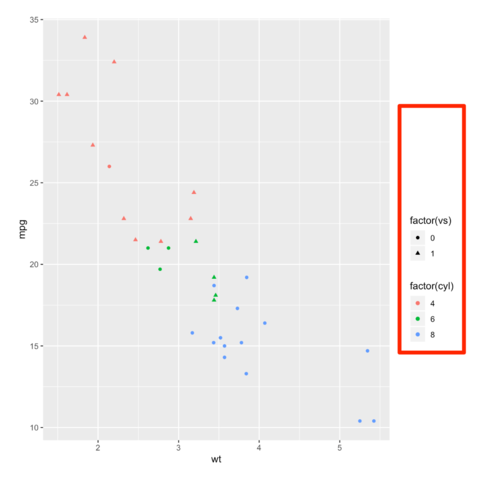
The theme() function of ggplot2 allows to
customize the chart appearance. It controls 3 main types of
components:
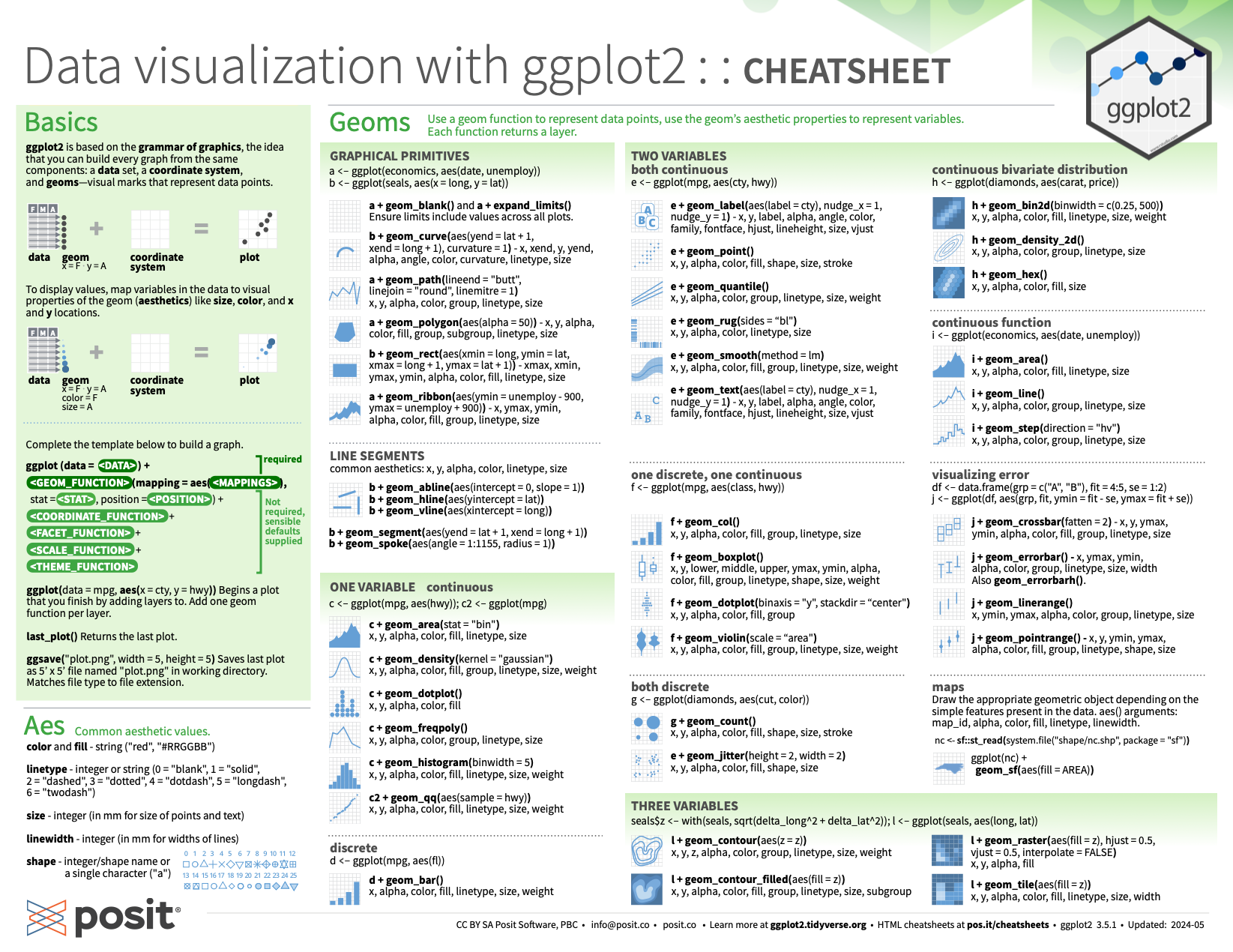
Here’s the official ggplot2 cheatsheet created by Posit. It covers all the key concepts of the library.
I've also compiled it with the most useful R and data visualization cheatsheets into a single PDF you can download:
ggplot2
A cheatsheet for quickly recalling the key functions and arguments of the ggplot2 library.
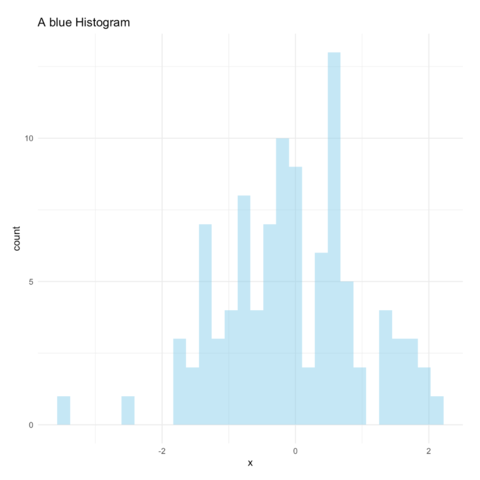
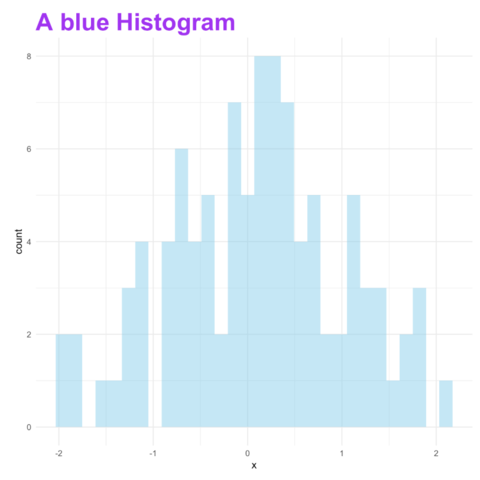
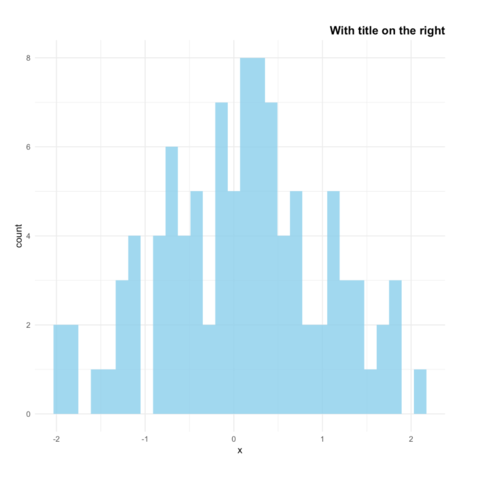
ggplot2 title
The ggtitle() function allows to add a title to the
chart. The following post will guide you through its usage, showing
how to control title main features: position, font, color, text and
more.
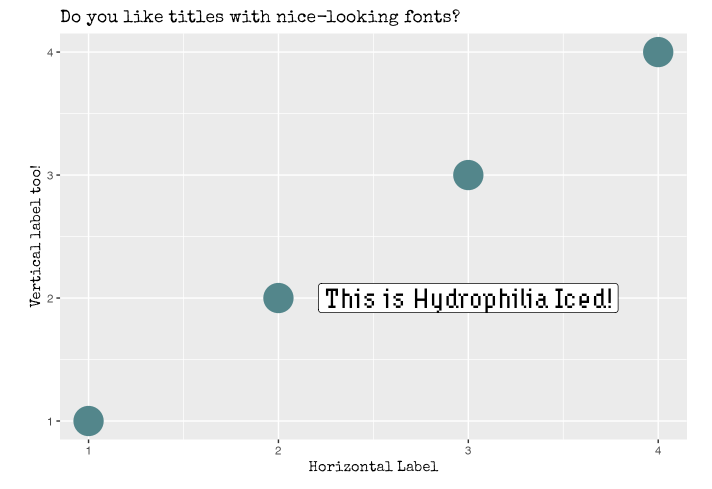
ggplot2
If you don't want your plot to look like any others, you'll definitely
be interested in using custom fonts for your title and labels! This is
totally possible thanks to 2 main packages: ragg and
showtext. The
blog-post below
should help you using any font in minutes.
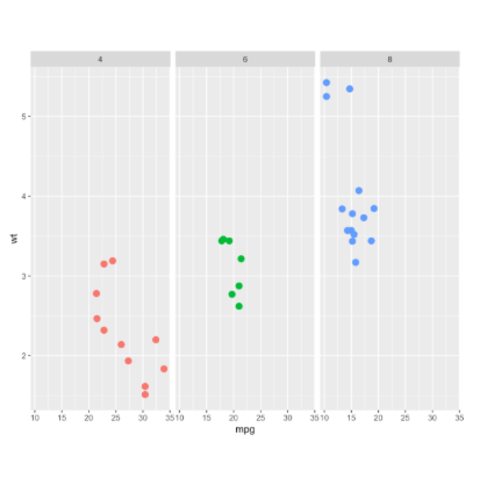
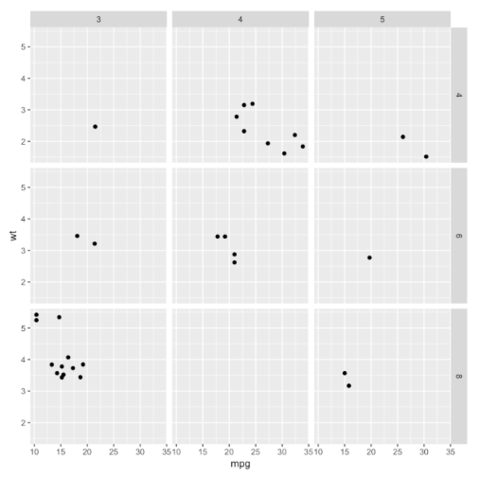
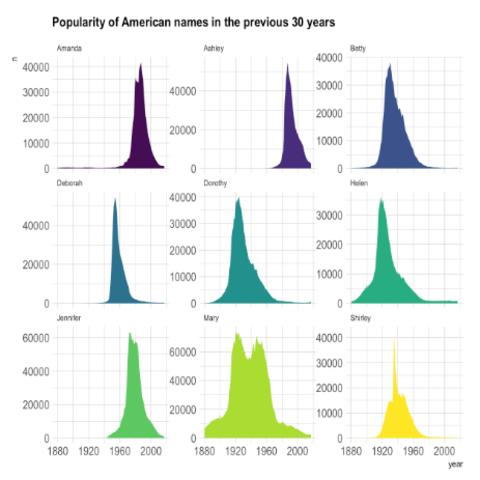
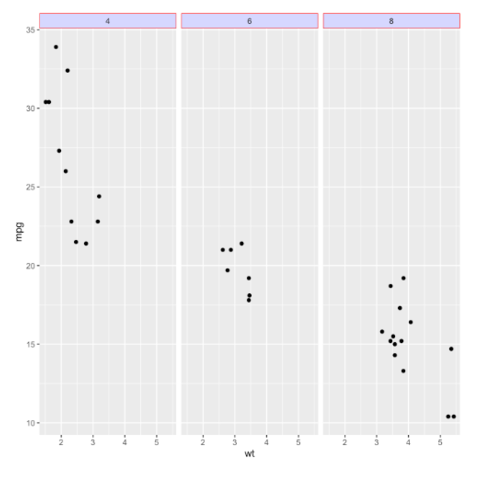
facet_wrap() and
facet_grid()
Small multiples is a very powerful dataviz technique. It split the
chart window in many small similar charts: each represents a specific
group of a categorical variable. The following post describes the main
use cases using facet_wrap() and
facet_grid() and should get you started quickly.
It is possible to customize any part of a ggplot2 chart
thanks to the theme() function. Fortunately, heaps of
pre-built themes are available, allowing to get a good style with one
more line of code only. Here is a glimpse of the available themes.
See code
The Streaming Revolution and the Death of the "Watercooler Moment"
Entertainment Content and Popular Media: The Digital Pulse of Modern Culture
From the rise of short-form video to the "peak TV" era of streaming, here is an exploration of how entertainment content and popular media are evolving and why they matter more than ever. The Shift from Passive Consumption to Active Participation
The transition from cable television to services like Netflix, Disney+, and HBO Max has fundamentally changed our viewing habits.
Shows like Squid Game (South Korea) or Money Heist (Spain) have proven that language is no longer a barrier to becoming a global phenomenon. Entertainment content is increasingly reflecting a multi-faceted world, allowing audiences to see themselves represented in stories that were previously gatekept by traditional studios. Transmedia Storytelling: Worlds Beyond the Screen
This creates an immersive ecosystem where fans can "live" within their favorite stories. Franchises like Marvel, Star Wars, and The Last of Us leverage this to maintain engagement year-round, turning casual viewers into dedicated lifelong fans. The Future: AI, VR, and the Metaverse
In the modern era, the lines between our physical lives and our digital experiences have blurred into a single, continuous stream. At the heart of this convergence is , a powerhouse industry that does far more than just "distract" us. It shapes our language, dictates our trends, and provides the cultural glue that connects people across continents.
For decades, popular media was a one-way street. You sat in a theater, watched a broadcast, or read a magazine. Today, the landscape is defined by .
We no longer wait a week for a new episode. We consume entire seasons in a weekend.
Algorithms allow platforms to serve highly specific content to niche audiences, ensuring that there is "something for everyone."