
Artofzoo Vixen Gaia Gold Gallery 501 Pictures May 2026
: Art is about choice. A photographer might choose to underexpose a scene to create a "low-key" moody portrait of an elephant, focusing on the texture of its skin rather than its environment. This shift from "what" is being photographed to "how" it is being felt is the hallmark of nature art. The Ethical Responsibility of the Nature Artist
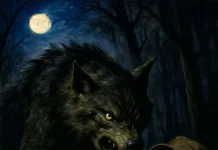
: A black-and-white print of a lone wolf can fit perfectly in a modern, minimalist room, providing a focal point of quiet strength.
: Great nature art relies on the same principles as classical painting. The rule of thirds, leading lines, and the use of negative space help guide the viewer’s eye through the frame, creating a sense of balance or tension that mirrors the wild itself. artofzoo vixen gaia gold gallery 501 pictures
These pieces do more than fill wall space; they lower stress levels and foster a psychological connection to the Earth, a concept known as . Conclusion: A Call to the Wild
As our world becomes increasingly urbanized, the demand for nature art in homes and offices has surged. Large-format wildlife prints serve as "windows" to the outside world. : Art is about choice
Unlike a painter who works from a studio, a wildlife photographer’s "canvas" is a living, breathing ecosystem. This brings a unique set of ethical challenges. True nature art is born from .
What separates a snapshot from a piece of nature art? It often comes down to the "Artist’s Eye." The Ethical Responsibility of the Nature Artist :
For centuries, humanity has sought to bottle the essence of the great outdoors. From the charcoal sketches of bison on cave walls to the high-speed digital sensors of today, the drive to document the natural world remains a fundamental part of the human experience. Today, the lines between and nature art have blurred, creating a medium that does more than just record a moment—it tells a story of survival, beauty, and the fragile balance of our planet. The Evolution: From Documentation to Fine Art